There are both pros and cons associated with social
networking in schools. To begin with, many schools are hesitant to use social
networking sites in school for several different reasons. Schools are fearful
about the possibility of students interacting with strangers or potentially
dangerous people online. This is a real concern that needs to be taken
seriously. In addition to this, many schools are afraid of behavioral issues
that could take place as a result of social networking. Students could easily
engage in inappropriate conversations with other peers or other people online.
Also, schools are most likely weary of students posting or expressing
inappropriate, mean or disrespectful comments. It is true that with social
networking there is possibility that it could lead to dangerous experiences or
unacceptable uses.
However, the benefits that social networking has to offer
seems to greatly outweigh the concerns that schools may have. First of all, it
is important to recognize that the purpose of the Internet has changed over the
past few years. The Internet is no longer used simply for reading or
researching. Instead, people have the opportunity to contribute to the
information on the Internet and become active participants online. Thus, the
Internet is all about, “communities, participation and peering,” (Solomon,
2010, pg. 83). It is important for educators to recognize the change in the
Internet and understand that we must allow students to engage in social network
based learning experiences in order to provide students with the 21st
century skills that they will need in their futures. Students have to be given
the opportunity to practice becoming involved and engaged participants in this
online community. Furthermore, most of our students are already using and accessing
social networking sites. Therefore, I believe we should introduce these tools
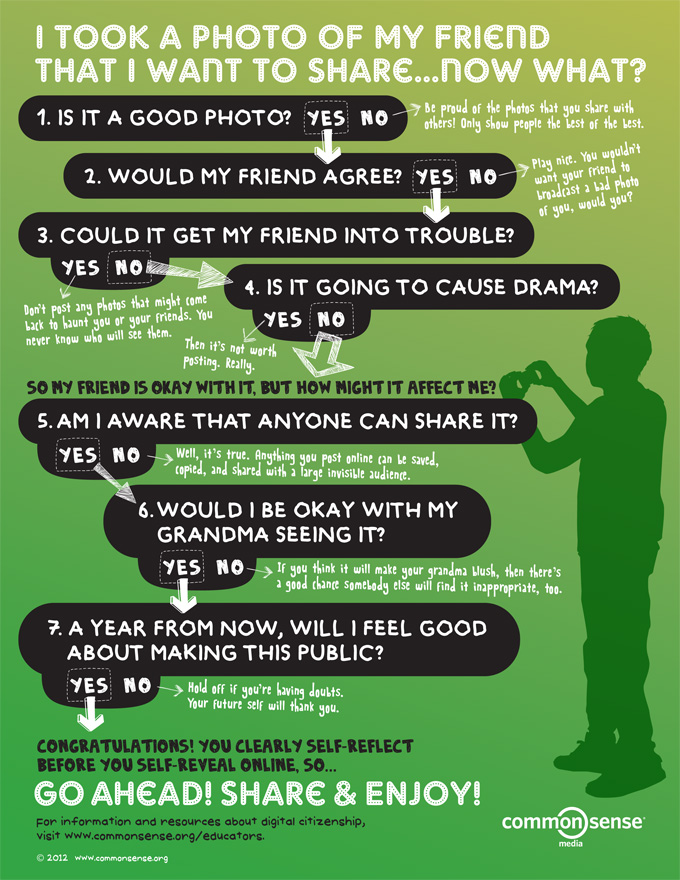
to them in school, so that we can teach our students about digital citizenship
and about how to participate in social communities safely and responsibly. Another
positive aspect of using social networking in schools is that, “young people
are already engaged by Web 2.0 applications,” (Solomon, 2010, pg. 85). Since
our students are already interested in and excited about using various web 2.0
tools, it makes sense for schools to use them for learning. Essentially, if
schools use web 2.0 tools in the classroom, it will be much easier to get
students engaged in their learning experiences because they are already excited
about using that tool/application. Thus, it is evident that there are both pros
and cons to using social networking in schools. However, in my personal
opinion, I believe that the benefits of using social networking significantly
outweigh any concerns that educators may have.
References:
Solomon, G. and Shrum, L. (2010). Web 2.0 how-to for educators. International Society
for
Technology in Education.